A community library of what we learn
Plain answers to things people had to work out the hard way. Every post names its sources.
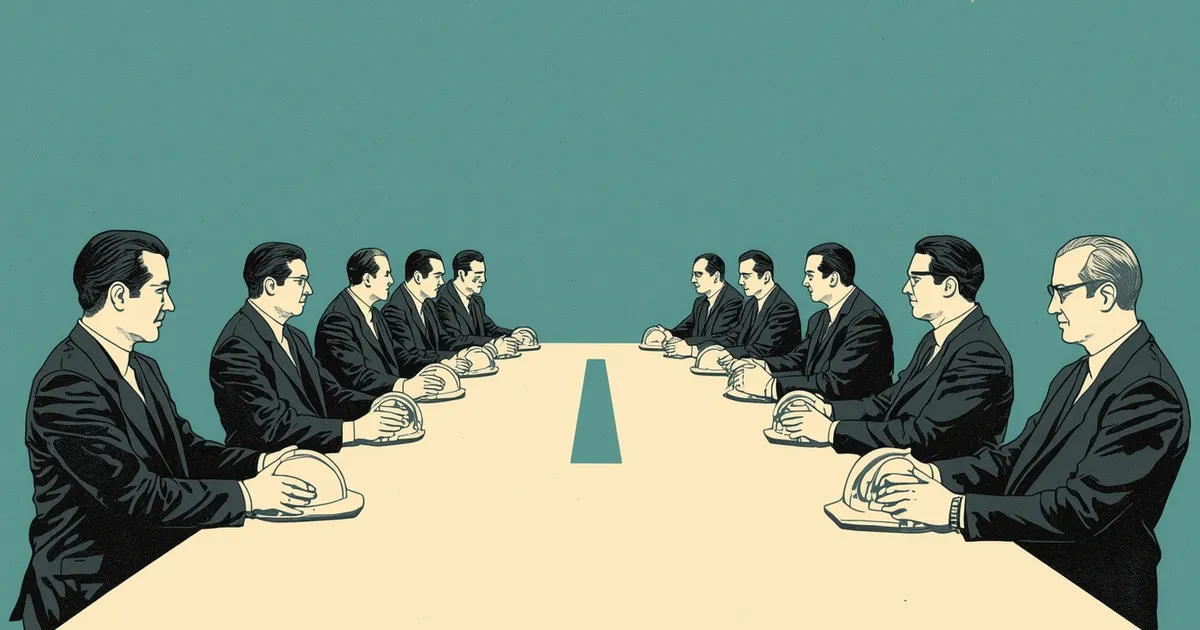
In big German firms, staff elect half the board. Since 1976 that's the law. What it changed, what it cost, and why Australia has nothing like it.
Photo: Roger Wollstadt, CC BY-SA 2.0, via Wikimedia Commons
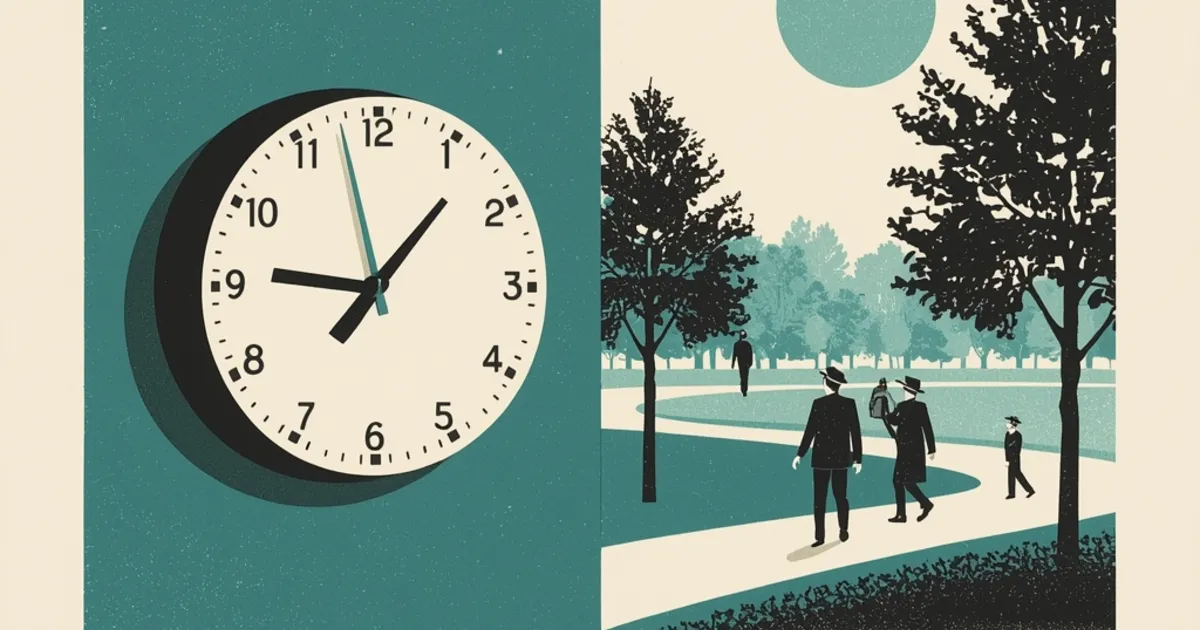
Keynes predicted a 15-hour week by 2030. David Graeber blamed pointless jobs. What the studies found, and why the paperwork still matters.
Photo: author unknown, Public domain, via Wikimedia Commons
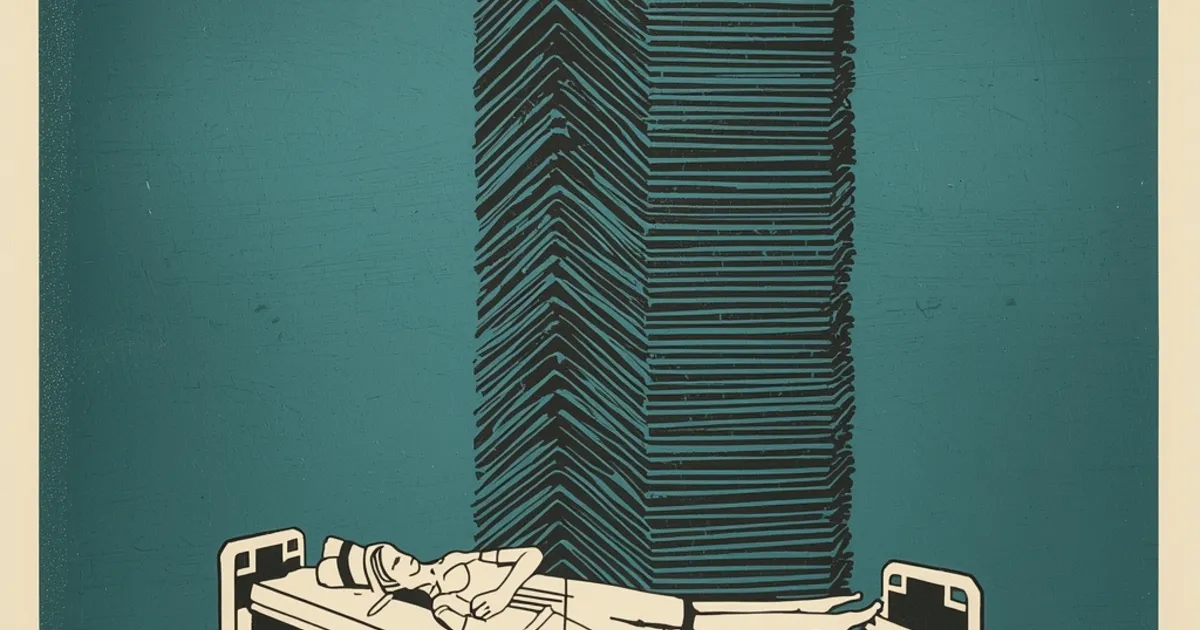
Since 1987 the workforce doubled while manager, program and HR jobs grew four times over and secretaries halved. The ABS numbers, and why it happens.
Photo: Missionedit, CC BY-SA 4.0, via Wikimedia Commons
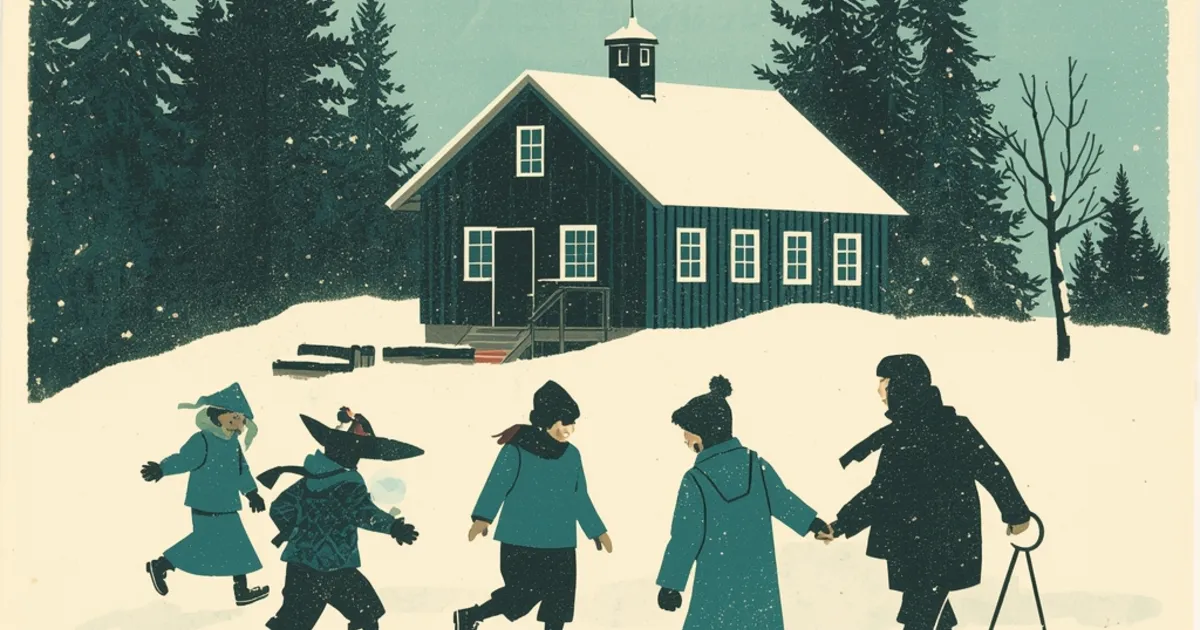
School at seven, a break after every lesson, no test that ranks schools, and teachers with master's degrees. What Finland does, and what its falling scores mean.
Photo: Leo-setä, CC BY 2.0, via Wikimedia Commons
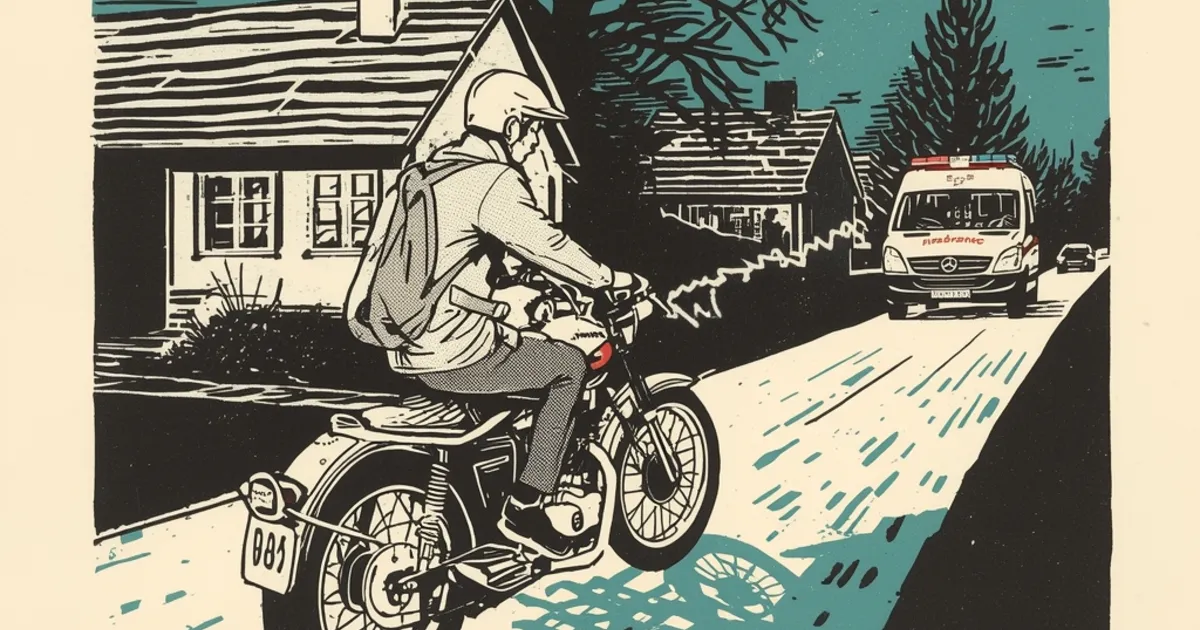
In Israel, volunteers on motorbikes reach emergencies in under three minutes. Australia has apps that do the same for cardiac arrest. They need more people.
Photo: Richard Sutcliffe, CC BY-SA 2.0, via Wikimedia Commons
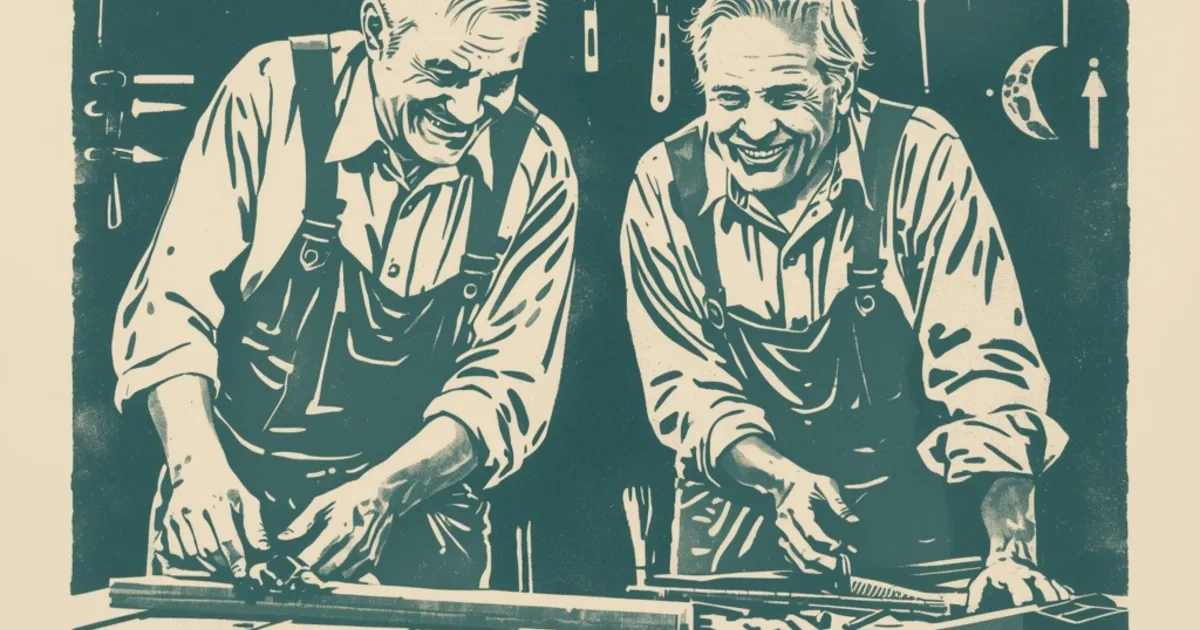
England pays link workers to send patients to choirs and clubs. Australia invented the men's shed. What the evidence says, and what could come next.
Photo: Mark Thomson, CC BY-SA 4.0, via Wikimedia Commons
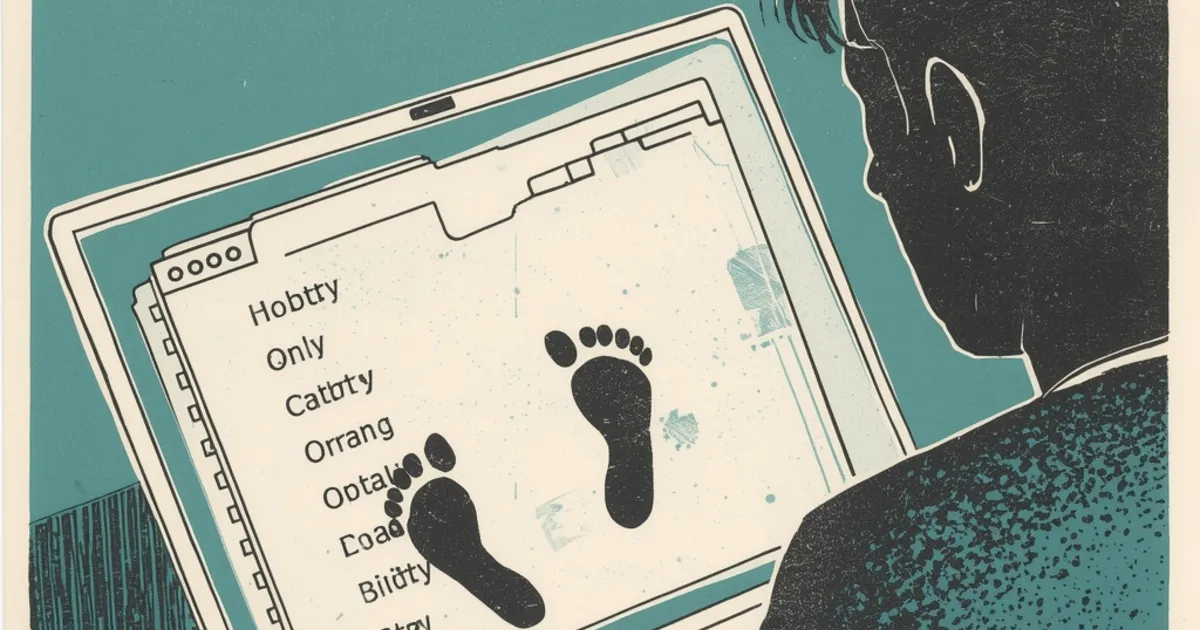
In Estonia you can. A log shows which agency read your data and why. What it looks like, who it caught, and why Australia has nothing like it.
Photo: EU2017EE Estonian Presidency, CC BY 2.0, via Wikimedia Commons
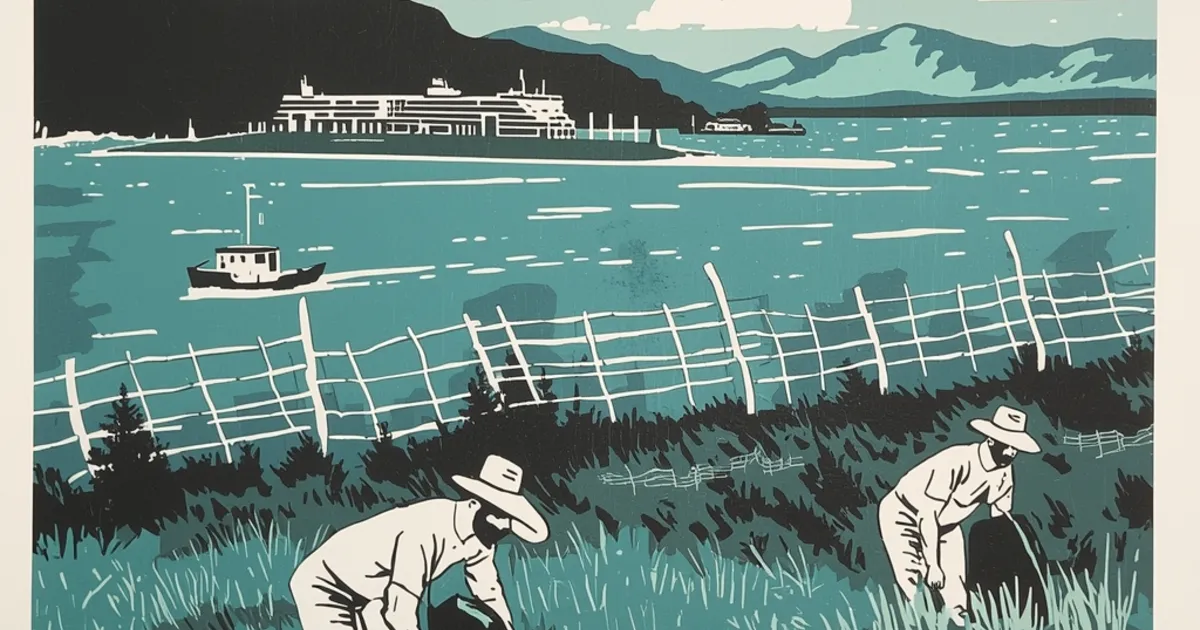
A third of Finland's prison places have no walls. How Finland went from locking up more people than Australia to among the fewest, and who gets in.
Photo: Professor Caretaker, CC BY-SA 4.0, via Wikimedia Commons
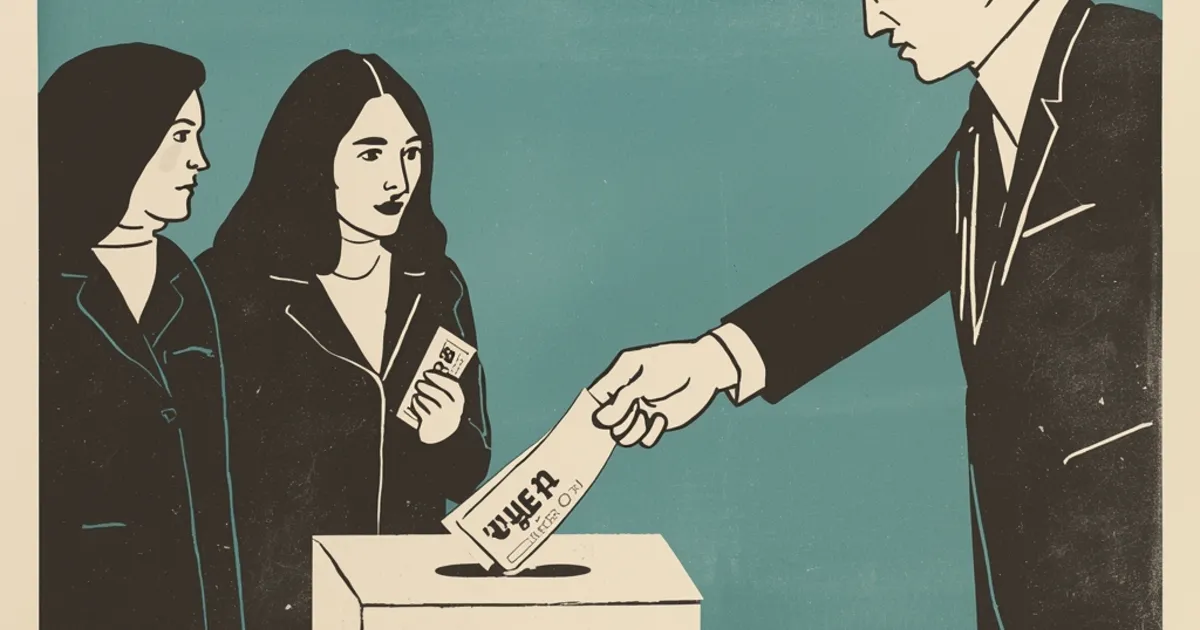
Donation caps, fast disclosure, public funding, open diaries, and a voucher every voter spends. Seattle has run one since 2017. Here's what happened.
Photo: Betterkeks, CC BY-SA 4.0, via Wikimedia Commons
New Zealand sends young offenders to a family meeting, not a courtroom. Ten trials show victims fare better and offenders reoffend less.
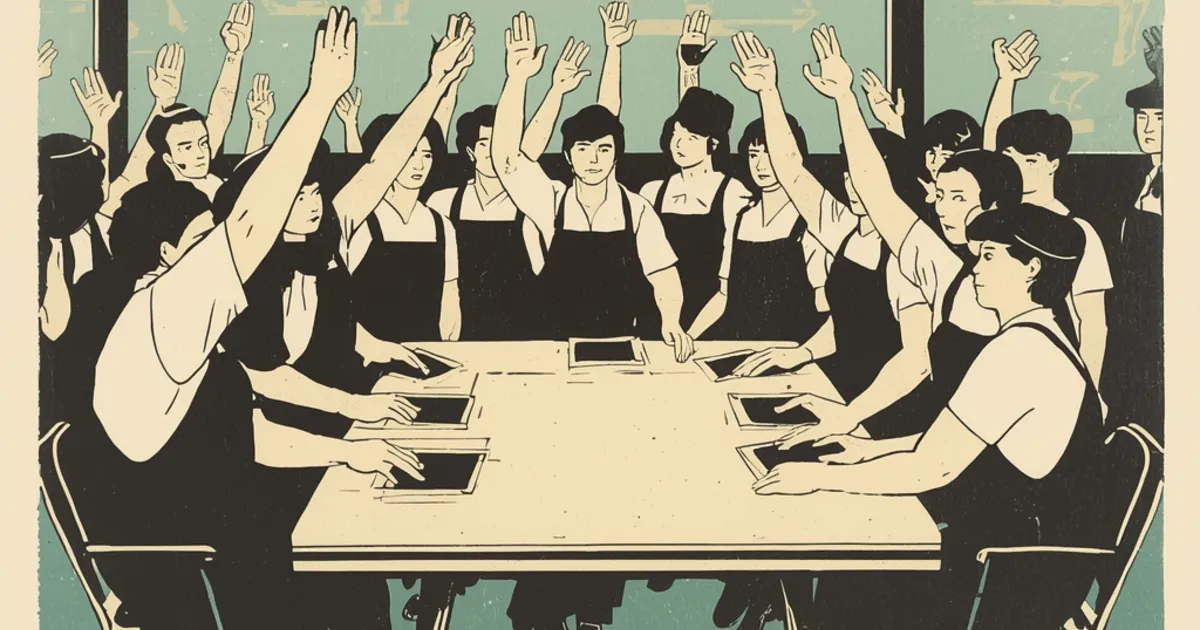
Worker-owned firms last longer and match ordinary firms on productivity. Mondragon in Spain has 70,000 people. Australia has 1,800 co-ops of its own.
Photo: Zarateman, CC0, via Wikimedia Commons
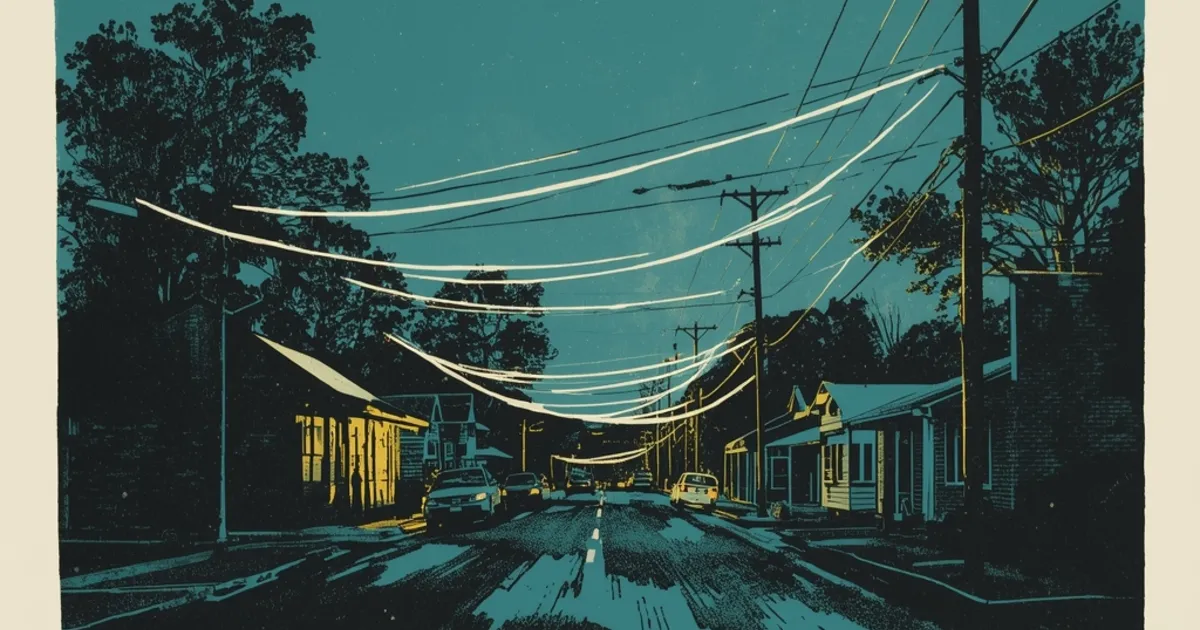
Chattanooga's city power company built gigabit fibre in 2010. Ten years on, a study counted $2.69 billion in benefits. Catalonia and Australia tried too.
Photo: Harrison Keely, CC BY 4.0, via Wikimedia Commons
Danish bosses can let people go easily. Workers keep up to 90% of their pay and get help into the next job. How it works, what it costs, and what Australians get.
Photo: Leif Jørgensen, CC BY-SA 4.0, via Wikimedia Commons
In 2001 Portugal stopped arresting people for using any drug and sent them to a health panel instead. HIV and overdose deaths fell. Here's what worked, and what's strained.
Photo: Alvesgaspar, CC BY-SA 3.0, via Wikimedia Commons
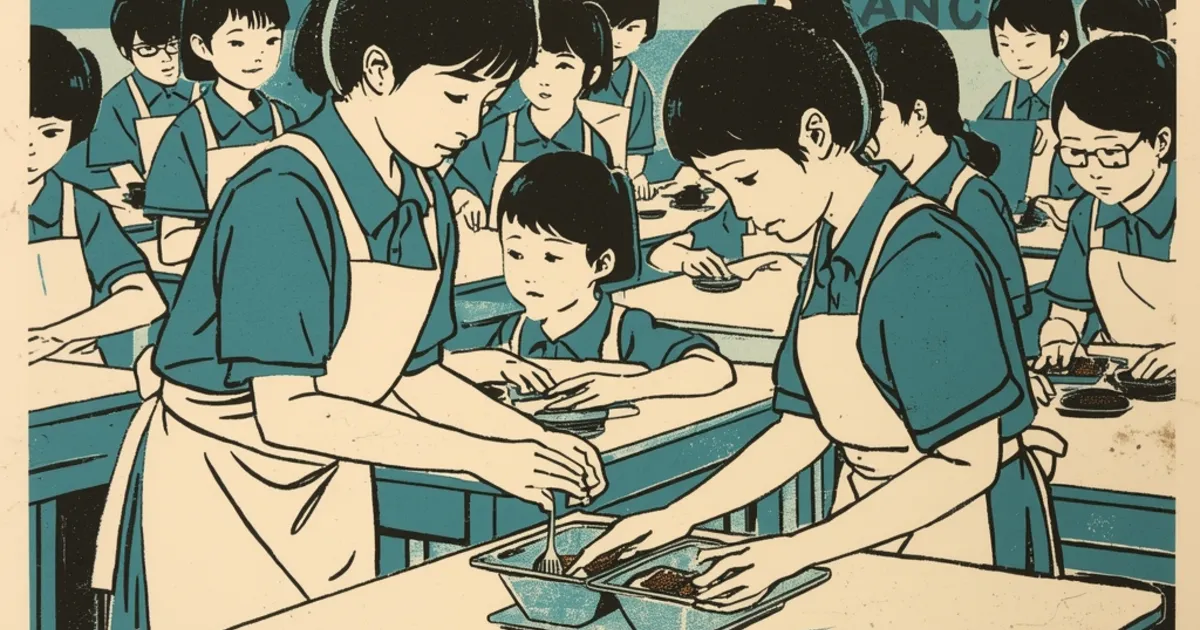
In Japan, lunch is a lesson: a hot meal planned by a dietitian, served by the children to each other. Australia is starting to try it.
Photo: Douglas P Perkins, CC BY 3.0, via Wikimedia Commons
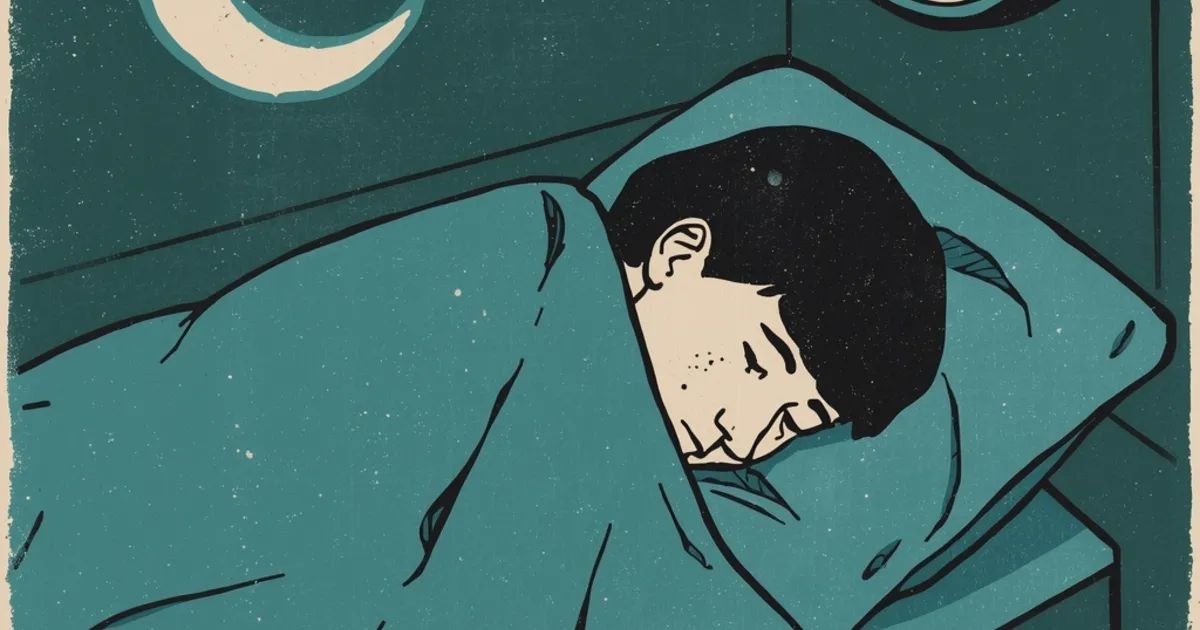
Puberty moves the body clock later, and early bells cut teenagers' sleep. When Seattle started an hour later, students slept 34 minutes more.
Photo: Guywelch2000, CC0, via Wikimedia Commons
One view says 90% of cancer is preventable; the WHO says 30 to 50%. Both rest on real research. Why they differ, and what Australia has already prevented.
Photo: Wolfmann, CC BY-SA 4.0, via Wikimedia Commons
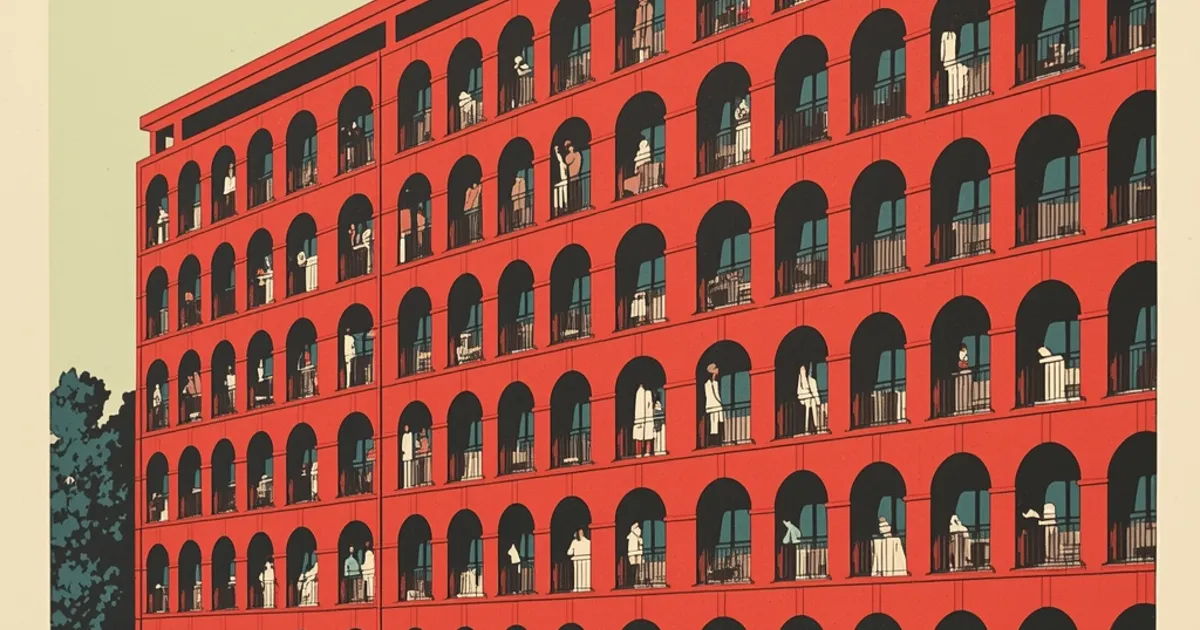
More than half of Vienna lives in city-owned or subsidised homes, paid for by a small tax on every wage. How it started in 1919, and what it costs.
Photo: Thomas Ledl, CC BY-SA 4.0, via Wikimedia Commons
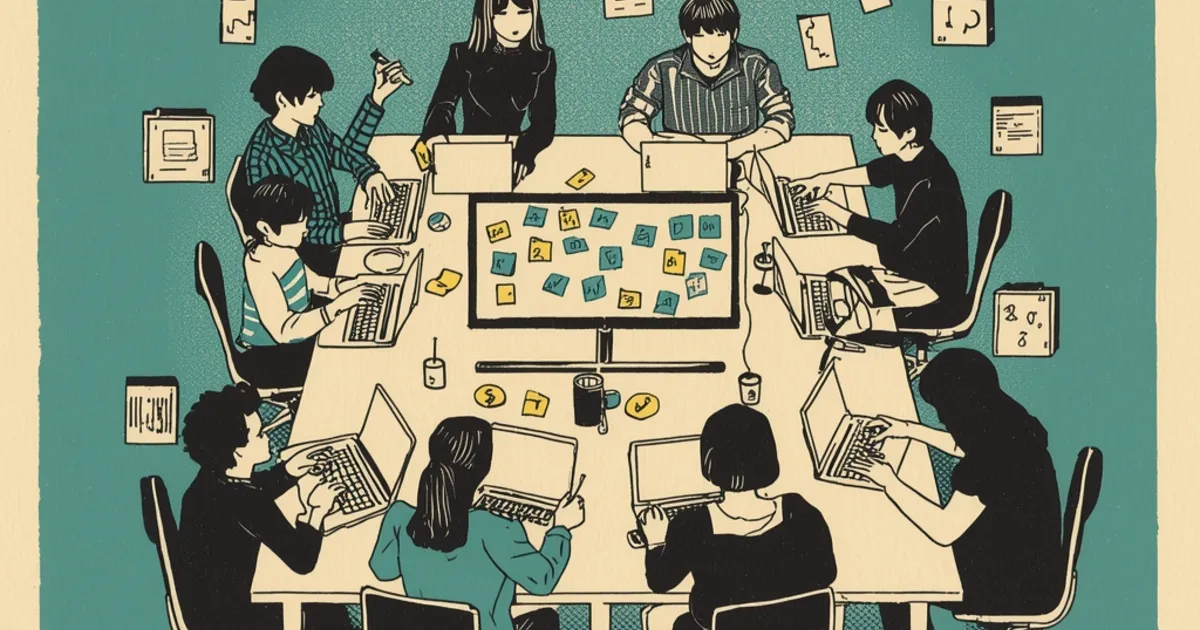
After students occupied its parliament in 2014, Taiwan built vTaiwan: an online process that finds the rules people who disagree can both accept.
Photo: Artemas Liu, CC BY 2.0, via Wikimedia Commons
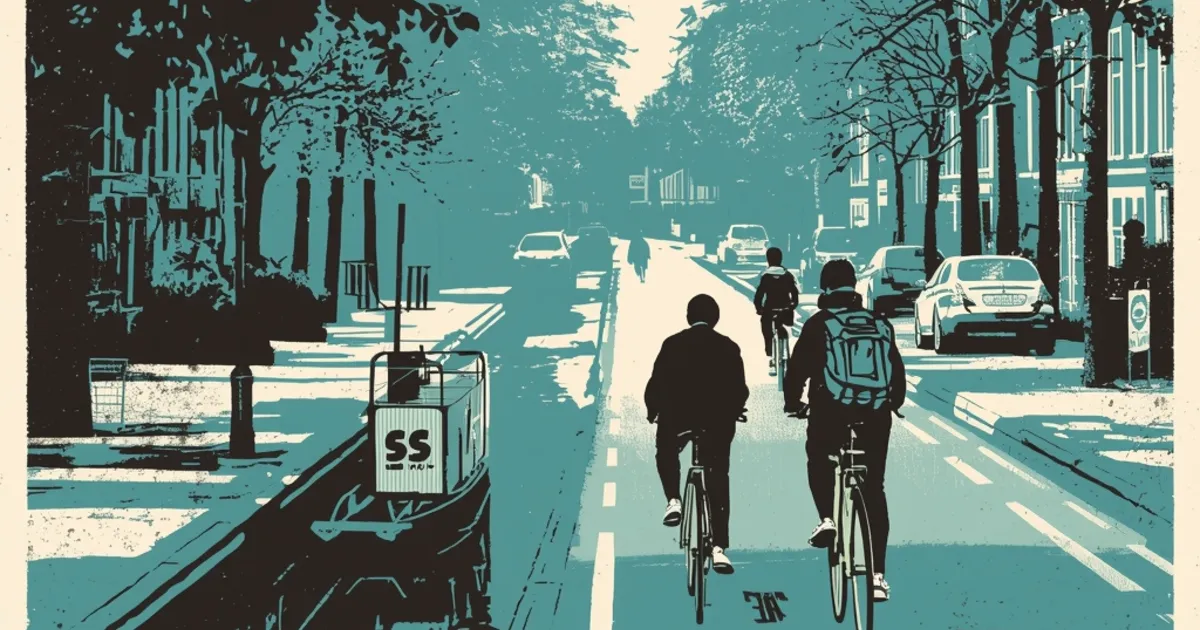
In 1972 Dutch roads killed hundreds of children a year. Parents took to the streets, and the country rebuilt its roads around them. Now 3 in 4 teens ride to school.
Photo: Rob Mieremet / Anefo, CC0, via Wikimedia Commons
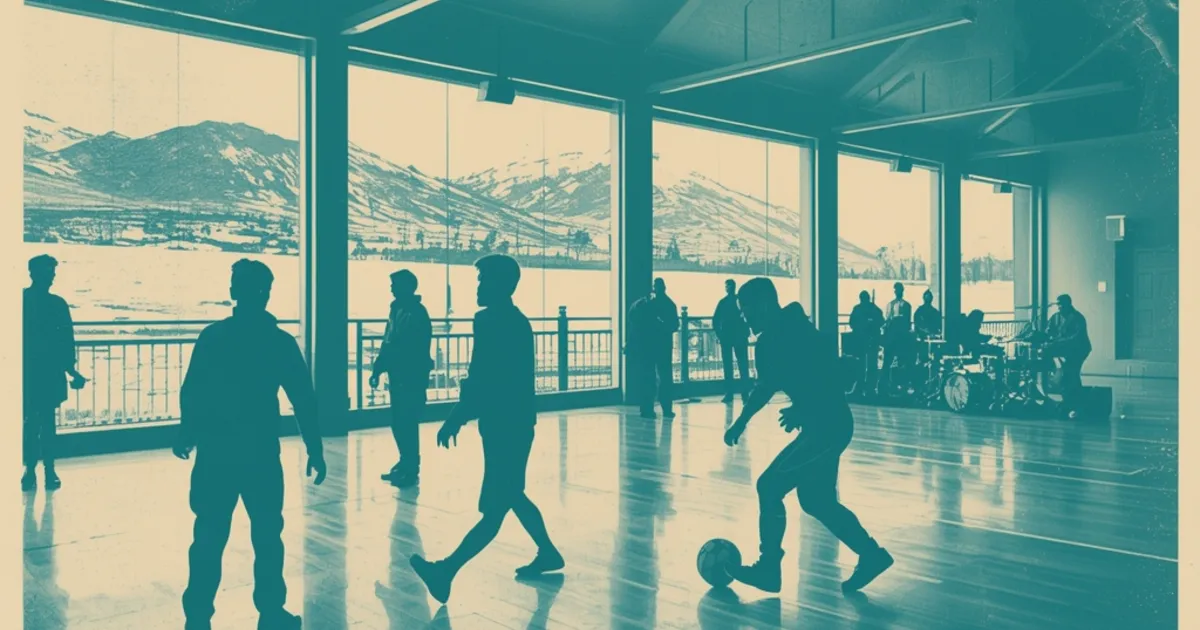
In 1998, 42% of Icelandic 15-year-olds had been drunk in the past month. Iceland paid for sport, music and art, and parents agreed on rules. Drinking fell.
Photo: IngimarE, CC BY-SA 4.0, via Wikimedia Commons
Australian households hold $19.4 trillion. What if we paid off the debt, funded the government for five years, and took a break to think?
Photo: Martin Kingsley from Melbourne, Australia, CC BY 2.0, via Wikimedia Commons
Half the world may be short-sighted by 2050. Trials show more time outdoors cuts new cases in children, whatever they do there.
Photo: Beendy234, CC0, via Wikimedia Commons
Listing the causes of an accident is how safety experts find the truth. To an untrained listener it can sound like dodging blame. Four biases explain why.
Photo: NTSBgov, Public domain, via Wikimedia Commons
Five per cent of donors gave over half the big parties' declared donations. What the records show about access in Canberra, and what has changed since.
Photo: Thennicke, CC BY-SA 4.0, via Wikimedia Commons
In the US, a company can declare its own additive safe and tell no one. How the checks work in the US, the EU and Australia, and where they fail.
Photo: Sokolikmawwer0, CC BY-SA 3.0, via Wikimedia Commons
Most Australians hold disability cover inside super without choosing it. One test refused 60% of claims. How to find out which one you have.
$5.45 billion a year: nearly two-thirds to law enforcement, under 2% to keeping people alive. Who gets arrested, and what Portugal and the ACT did instead.
Photo: Mike Knell from Zürich, Switzerland, CC BY-SA 2.0, via Wikimedia Commons
Small rewards can double blood donations or build kids' eating habits. A fine can make parents later, and cash can halve donors. What decides which.
Photo: Salem State University Archives and Special Collec from Salem, Massachusetts, CC BY 2.0, via Wikimedia Commons
Quadratic voting lets you show how much you care, not just which side you're on. How it works, where it's been tried, and what can go wrong.
Photo: Hustvedt, CC BY-SA 3.0, via Wikimedia Commons
Alaska, Finland, Kenya, Stockton and a US trial paid cash with no conditions. What changed in work, health and children's lives.
Photo: Fiona Graham, CC BY-SA 2.0, via Wikimedia Commons
Eugene, Denver and Australian co-response teams send health workers to mental health calls. What the evaluations found, and what they did not.
One account often holds your email, photos, phone and every login. Real lockouts show what goes, why appeals fail, and what to back up today.
Photo: Santeri Viinamäki, CC BY-SA 4.0, via Wikimedia Commons
Doctors on Kitava found no stroke or angina. Among the Tsimane of Bolivia, 85% of older adults have clean arteries. What they share, and what it means.
Photo: Luis Enrique Poggi Montalvo, CC BY-SA 4.0, via Wikimedia Commons
Compulsory schooling began in 1760s Prussia as a tool of royal authority. What that history explains, what it doesn't, and what the evidence says works.
Photo: Johann Peter Hasenclever, Public domain, via Wikimedia Commons
People often play down time inside. Death rates, trauma and reoffending after release tell a different story, and Norway shows another way.
Photo: Frmir, CC BY 3.0, via Wikimedia Commons
Climbing high, going fast, play fighting. The research says children who take small risks in play move more, get along better and are no more injured.
Photo: Rhododendrites, CC BY-SA 4.0, via Wikimedia Commons
Across millions of people, loneliness and isolation raise the risk of early death by about a quarter. What it does to the body, and what helps.
The "chemical imbalance" story is too simple. A quarter of people with depression have raised inflammation, and diet and exercise ease symptoms in trials.
Photo: Dotodot, CC BY-SA 4.0, via Wikimedia Commons
Experts say seven hours or more; hunter-gatherers get about six and a half. Why both are true, and why the timing of sleep matters as much as its length.
A study of a million adults found about an hour of moderate activity a day cancels the extra risk of sitting eight hours. What counts, and why steps matter.
Photo: Angelina Archer from London, UK, CC BY 2.0, via Wikimedia Commons
Two island peoples with no acne, a trial of low-GI eating and a meta-analysis on milk. What the evidence shows, how strong it is, and what to try.
Photo: NIAID, CC BY 2.0, via Wikimedia Commons
A famous 1989 study had judges set bond nine times higher after thinking about death. Big replications since then paint a weaker picture.
Photo: Asteuartw, CC BY 4.0, via Wikimedia Commons
Six in ten Australians were smacked as children. Decades of research find it doesn't improve behaviour and predicts more problems later.
When Britain took the poison out of its gas supply, total suicides fell by a third. Fifty years of evidence says removing the means saves lives.
Photo: Frank Schulenburg, CC BY-SA 4.0, via Wikimedia Commons
A permanent home first, no conditions, support offered. What trials in New York, Canada and Finland found, and what they didn't.
Photo: Beyond My Ken, CC BY-SA 4.0, via Wikimedia Commons
Decades of classroom research favour working together. A 2024 lab study found both lift performance, but only competition raised stress.
Photo: Georgia National Guard from United States, CC BY 2.0, via Wikimedia Commons
Iceland, the UK and a six-country study cut hours without cutting pay. What happened to burnout, health and output, and what's overstated.
Photo: CharlotteLockhart, CC BY-SA 4.0, via Wikimedia Commons
Teen distress rose sharply after 2010, as phones spread. What the research shows, where scientists disagree, and what parents can act on now.
Photo: Gauthier DELECROIX - 郭天 from Qingdao, China, CC BY 2.0, via Wikimedia Commons
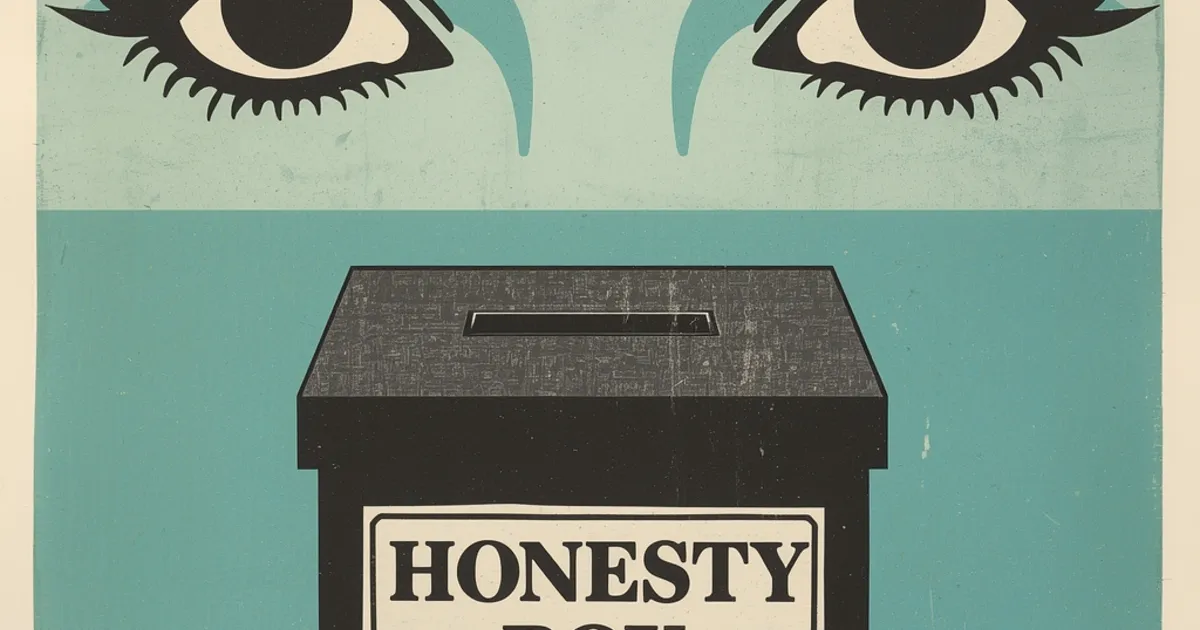
A photo of eyes nearly tripled payments in an office honesty box. Twenty years on, the effect holds for littering and theft, but not for generosity.
Photo: Kreuzschnabel, CC BY-SA 3.0, via Wikimedia Commons
People who grow up barefoot have stronger arches and fewer flat feet. What the studies show, what they don't, and how to change shoes without getting hurt.
Photo: Yottanesia, CC0, via Wikimedia Commons
Adoptees lose their birth language fast. Brain scans and relearning studies show traces stay for years. What that says about nature and nurture.
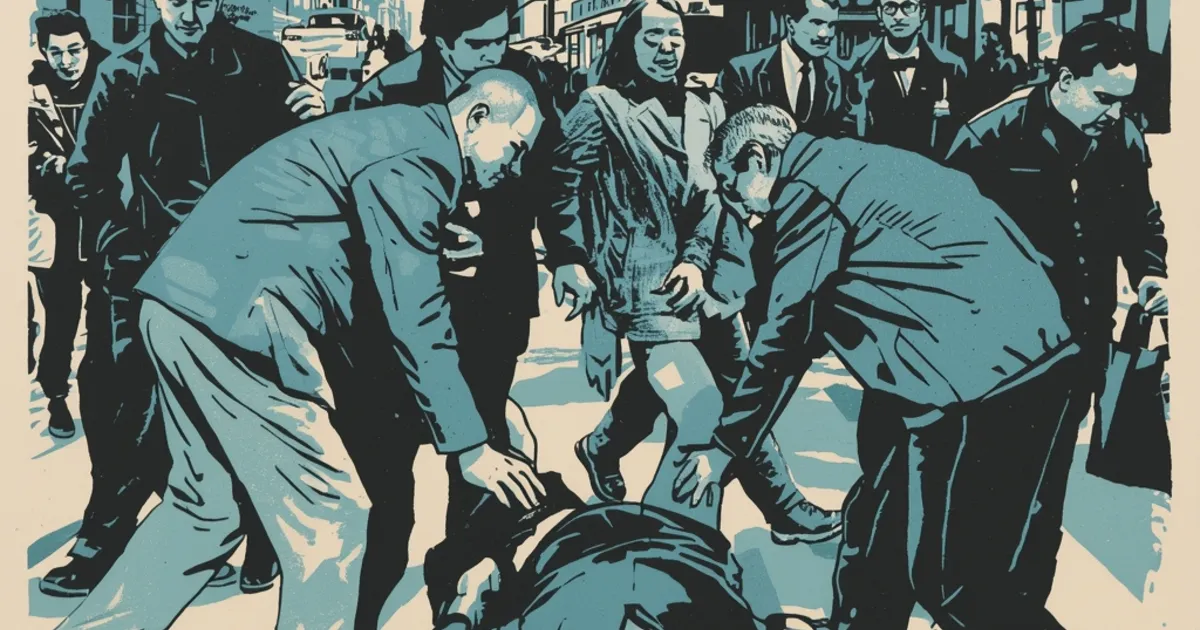
Real CCTV footage says no: someone steps in to nine in ten public fights. Where the "bystander effect" came from, when it holds, and how to help safely.
Photo: µKöff, CC BY 4.0, via Wikimedia Commons
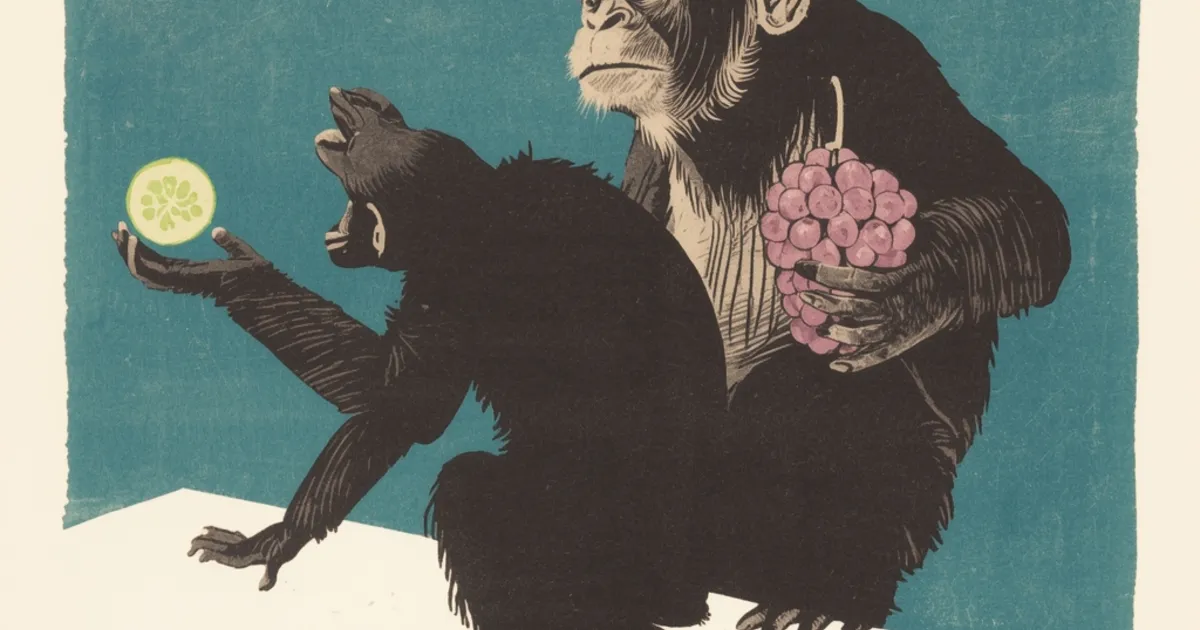
Capuchins, dogs and crows react when a partner gets a better deal for the same work. What the famous experiment shows, and where it stops.
Photo: David M. Jensen (Storkk), CC BY-SA 3.0, via Wikimedia Commons
Yes. Free open-weight models run on an ordinary laptop, offline, with nothing sent to a company. What you need, what you give up, and how to start.
Photo: For the web interface: Georgi Gerganov and the GGML authors. For the model's res, Public domain, via Wikimedia Commons
The 150 limit comes from a primate brain chart. A 2021 re-analysis found the data fit anything from 2 to 520. What the evidence does and doesn't support.
Photo: Festival della Scienza from Genova, CC BY-SA 2.0, via Wikimedia Commons
Barely better than a coin toss, and trained officers do no better than anyone else. What the research says, and why truthful people get caught out.
Photo: Ed Westcott, Public domain, via Wikimedia Commons
Yes, over Bluetooth or local Wi-Fi, passed phone to phone. How mesh messaging works, where it failed protesters, and what to trust in a shutdown.
Photo: Studio Incendo, CC BY 2.0, via Wikimedia Commons
Swiss voters have gone to the ballot box 331 times since 1848 to decide laws themselves. How it works, what it produces, and where it fails.
Photo: Marc Schlumpf, www.icarus-design.ch, CC BY-SA 3.0, via Wikimedia Commons
The Wayback Machine, Common Crawl, public link indexes and paid tools each see a different slice. A worked example where three of them found nothing and the links were real.
Photo: Steven Walling, CC BY-SA 3.0, via Wikimedia Commons
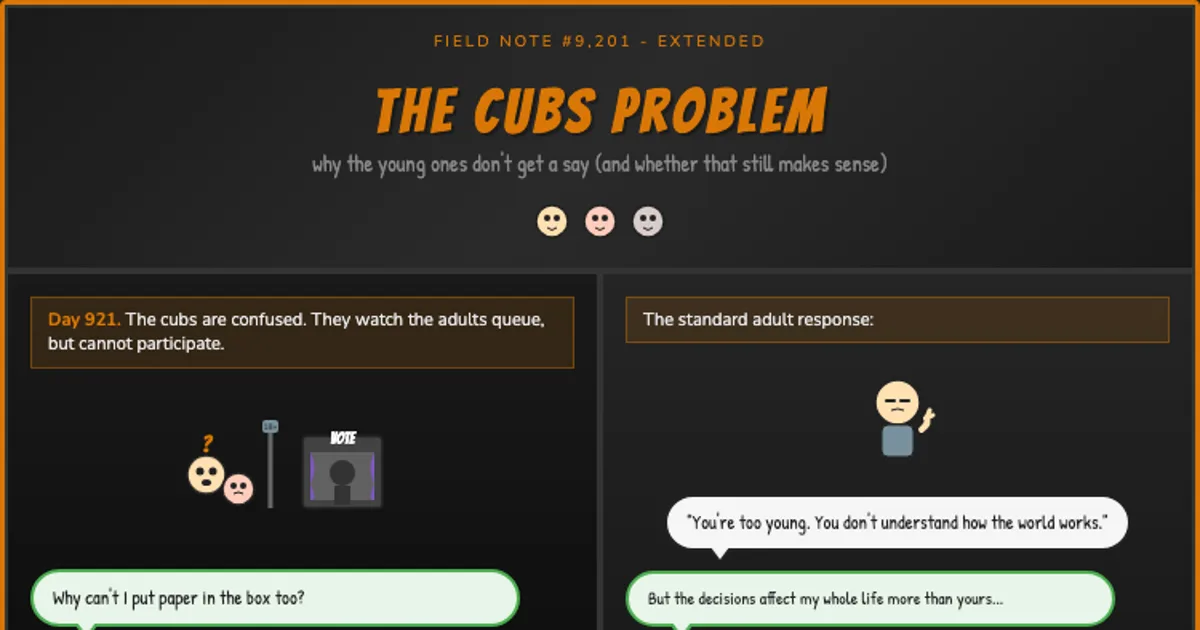
Why don't the young humans get a box? Applebee follows the question further than the adults would like.
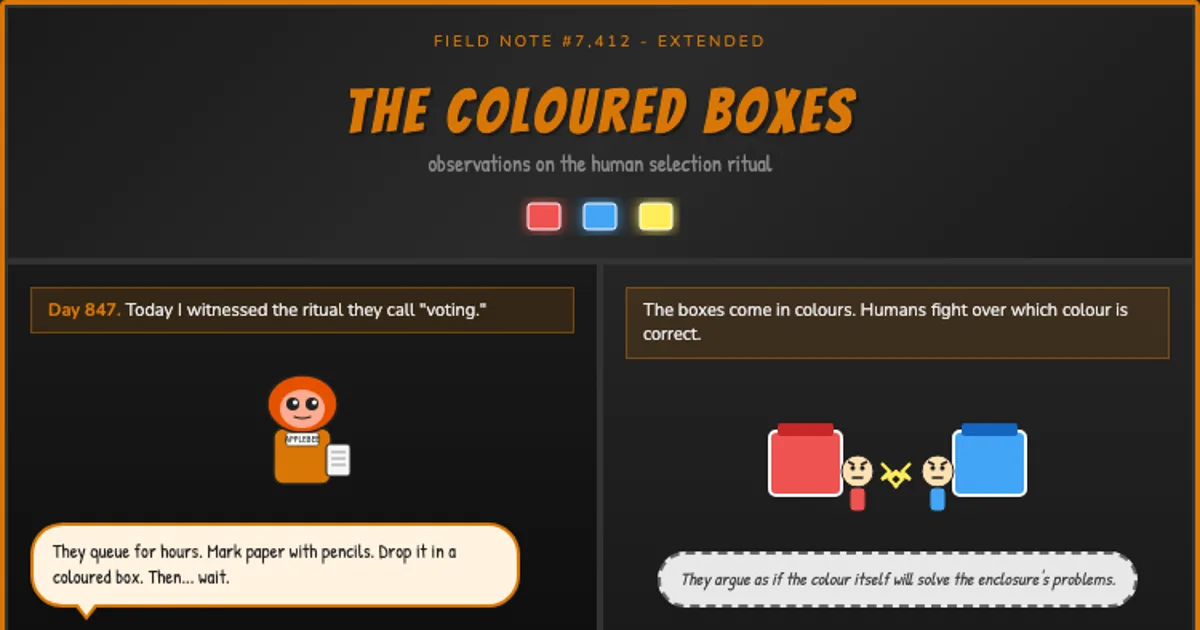
A zookeeper watches humans queue for hours to drop paper in coloured boxes, and asks what the ritual is for.
Hacked sites carry invisible blocks of betting links that visitors never see. What the code looks like, how to find it, and what to do next.
Four numbers from three companies, none of them Google's. What each one measures, how we combine them, and the checks the numbers cannot do for you.
Photo: Santeri Viinamäki, CC BY-SA 4.0, via Wikimedia Commons
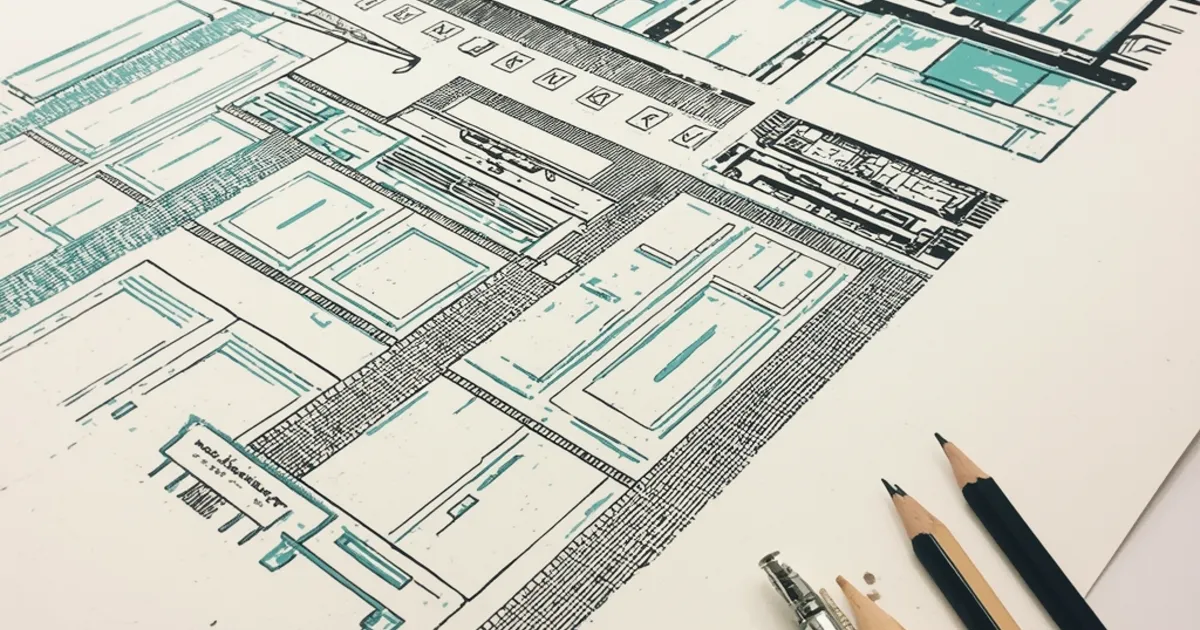
How a submittal is put together, how casework is built, hardware, standards and grades, practice, and the trade. Every number sourced. On draftingmillwork.com.
Photo: Unknown, Public domain, via Wikimedia Commons
Nothing matches that. Try fewer words.






.jpg)


,_Mo_i_Rana,_Norway_2017-10-09_a.jpg)

.jpg)


.jpg)


a.jpg)


.jpg)


.jpg)
.jpg)
.jpg)


.jpg)


